Is megalodon still alive?
Table des matières

- Is megalodon still alive?
- What killed the megalodon?
- Has a megalodon ever been found?
- What could eat a megalodon?
- Is the MEG real?
- Is the megalodon a dinosaur?
- Would a megalodon eat a human?
- Is megalodon a dinosaur?
- Why are there megalodon teeth in rivers?
- Who would win sperm whale or megalodon?
- How big is a megalodon compared to human?
- What did Megalodon really look like?
- Did megalodon have babies or eggs?
- Is the megalodon the biggest creature that ever lived?
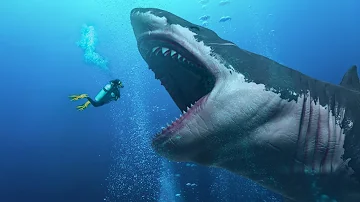
Is megalodon still alive?
Megalodon is NOT alive today, it went extinct around 3.5 million years ago. Go to the Megalodon Shark Page to learn the real facts about the largest shark to ever live, including the actual research about it's extinction.
What killed the megalodon?
—Cold waters may have killed the megalodon shark: Around 3.6 million years ago, as Earth entered a period of global cooling and drying, megalodons went extinct, according to the Natural History Museum.
Has a megalodon ever been found?
Fossil remains of megalodon have been found in shallow tropical and temperate seas along the coastlines and continental shelf regions of all continents except Antarctica. ... Megalodon was the largest shark, and likely the largest fish, that ever lived.
What could eat a megalodon?
There are many animals that could beat megalodon. Some say megalodon ate Livyatan but it was an ambush predator and Livyatan might have eaten it too. The modern sperm whale, fin whale, blue whale, Sei whale, Triassic kraken, pliosaurus and colossal squid could all beat the megalodon.
Is the MEG real?
The super-sized monstrous megalodon shark was twice the size of any other meat -eating shark to have lived, scientists have discovered. ... Published in Historical Biology, the scientists found the megalodon was anomalously large compared to body sizes of its mackerel shark relatives, also called lamniformes.
Is the megalodon a dinosaur?
Even though megalodons and dinosaurs are both extinct, they never coexisted. The dinosaurs died out about 66 million years ago. Megalodons came later. ... Since sharks don't have bones, most of what we know about megalodon comes from its large fossil teeth.
Would a megalodon eat a human?
Open wide. In order to tackle prey as large as whales, megalodon had to be able to open its mouth wide. It is estimated that its jaw would span 2.7 by 3.4 metres wide, easily big enough to swallow two adult people side-by-side.
Is megalodon a dinosaur?
Even though megalodons and dinosaurs are both extinct, they never coexisted. The dinosaurs died out about 66 million years ago. Megalodons came later. ... Since sharks don't have bones, most of what we know about megalodon comes from its large fossil teeth.
Why are there megalodon teeth in rivers?
Exposed by the tide and the wind, you can put your hands on shark teeth by minimal digging. What is this? In creeks and rivers, the low tide helps with this process of eroding and exposing sedimentary layers. Besides being superficial, these teeth are exceptionally abundant there.
Who would win sperm whale or megalodon?
0:0111:35MEGALODON VS SPERM WHALE - What If They Fought? - YouTubeYouTube
How big is a megalodon compared to human?
- Megalodon, compared to a full-grown human being. There's not much to say about Megalodon that hasn't all been said before: this was fins-down the biggest prehistoric shark that ever lived, measuring anywhere from 50 to 70 feet long and weighing as much as 100 tons.
What did Megalodon really look like?
- Scientists suggest that megalodon looked like a stockier version of the great white shark, though it may have looked similar to the basking shark (Cetorhinus maximus) or the sand tiger shark (Carcharias taurus).
Did megalodon have babies or eggs?
- Megalodon gave birth to newborns as large as adult humans The Megalodon babies likely ate unhatched eggs in their mother's womb to come out on the hefty side.
Is the megalodon the biggest creature that ever lived?
- Megalodon is the largest shark that ever lived! Estimated to be approximately 60 feet in length, this formidable top predator occupied the world's ancient oceans 17-2 million years ago. Megalodon consumed vast quantities of marine animals and likely contributed to the stability of ecosystems - as top predators do today.