Quelles sont les bactéries intestinales ?
Table des matières

- Quelles sont les bactéries intestinales ?
- Quelle est la composition du microbiologiste intestinal ?
- Quels sont les bénéfices apportés par la flore intestinale ?
- Comment moduler le microbiote intestinal ?
- What are the bacteria in your intestine called?
- What bacteria is found in the large intestine?
- What are two benefits of intestinal bacteria?
- Is intestinal bacteria harmful?
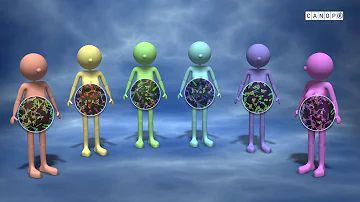
Quelles sont les bactéries intestinales ?
Chez l'adulte, le microbiote intestinal est composé de différents micro-organismes : parmi les 160 espèces de bactéries qui composent le microbiote intestinal d'un individu sain, Firmicutes, Bacteroidetes, et Actinobacteria sont les bactéries les plus récurrentes.
Quelle est la composition du microbiologiste intestinal ?
Le microbiote intestinal est composé dans une très large majorité de bactéries anaérobies. La quantité d'Archaea et de Fungi est plus faible.
Quels sont les bénéfices apportés par la flore intestinale ?
Les micro-organismes de la flore intestinale agissent notamment pour : empêcher l'installation de certains agents pathogènes ; limiter un développement infectieux ; stimuler le système immunitaire.
Comment moduler le microbiote intestinal ?
Les probiotiques sont définis en tant que microorganismes vivants qui, ingérés en quantité suffisante, exercent des effets bénéfiques à la santé de leur hôte. Les plus utilisés sont la levure Saccharomyces boulardii, certaines souches de Lactobacillus ou de Bifidobacterium ou la souche Escherichia coli Nissle 1917.
What are the bacteria in your intestine called?
- There is a microbe community living in your intestine called intestinal flora , or intestinal bacteria . Its importance is often ignored. Nevertheless, it plays a big role in the digestive process as well as in the immune system. In a healthy individual, this group of bacteria is beneficial in regulating the digestive pH.
What bacteria is found in the large intestine?
- SIBO is a condition in which colonic-type bacteria (resembling bacteria normally found in the colon) proliferate in large numbers in the small intestine.
What are two benefits of intestinal bacteria?
- Are you looking to lose weight ? Health Benefits Of Intestinal Bacteria. - Intestinal bacteria, creates the vitamins we use. ... Clostridium Difficile Infection. Clostridium difficile, a harmful intestinal bacteria. ... Fecal Transplant To Treat Crohn's Disease. ... Gut Bacteria and obesity. ... Intestinal bacteria and Type 1 diabetes. ... The Hygiene Hypothesis. ... Antibiotics and good bacteria. ...
Is intestinal bacteria harmful?
- Intestinal bacteria play a crucial role in maintaining immune and metabolic homeostasis and protecting against pathogens. Altered gut bacterial composition (dysbiosis) has been associated with the pathogenesis of many inflammatory diseases and infections.