What exactly is a gene?

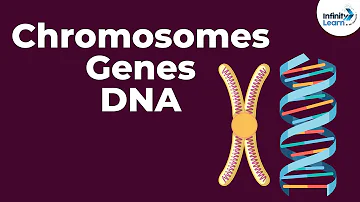
What exactly is a gene?
A gene is the basic physical and functional unit of heredity. Genes are made up of DNA. Some genes act as instructions to make molecules called proteins. However, many genes do not code for proteins. In humans, genes vary in size from a few hundred DNA bases to more than 2 million bases.
How do you determine the gene of a chromosome?
The chromosome on which the gene can be found. The first number or letter used to describe a gene's location represents the chromosome. Chromosomes 1 through 22 (the autosomes) are designated by their chromosome number. The sex chromosomes are designated by X or Y.
Is chromosome 5 a gene?
Chromosome 5 is the 12th chromosome to have completed gene sequencing in the Human Genome Project. It comprises 9 million base pairs that make up 923 genes. Sixty-six of the genes are known to be involved in human disease if they are mutated.
What are 23 pairs of chromosomes?
Chromosome Different organisms have different numbers of chromosomes. Humans have 23 pairs of chromosomes--22 pairs of numbered chromosomes, called autosomes, and one pair of sex chromosomes, X and Y.
What are the chromosomes?
(KROH-muh-some) A structure found inside the nucleus of a cell. A chromosome is made up of proteins and DNA organized into genes. Each cell normally contains 23 pairs of chromosomes.
Which chromosome has most genes?
In the human genome, chromosome 1 has the most genes. It has 2968 genes.
What is the function of chromosome 6?
Chromosome 6 spans more than 170 million base pairs (the building material of DNA) and represents between 5.5 and 6% of the total DNA in cells. It contains the Major Histocompatibility Complex, which contains over 100 genes related to the immune response, and plays a vital role in organ transplantation.