Comment drainer un sol humide ?

Comment drainer un sol humide ?
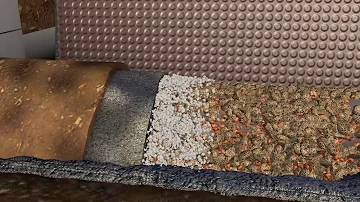
Pour drainer un morceau de terrain vous devrez creuser une ou plusieurs tranchées de 60 cm environ de profondeur sur 40 à 50 cm de largeur et la remplir ensuite de un ou plusieurs graviers (grossier et fin). Il s'agit donc d'une opération assez physique qui demande une bonne forme et un peu d'endurance.
Comment savoir si un sol est bien drainé ?
Creusez un petit trou et remplissez-le d'eau. Si l'eau pénètre rapidement, votre terre est probablement sableuse. Si l'eau pénètre mal et a tendance à stagner en flaques, votre sol ne draine pas très bien et contient probablement une certaine quantité d'argile.
What is soil drainage?
- Soil drainage is a natural process by which water moves across, through, and out of the soil as a result of the force of gravity. From: Encyclopedia of Soils in the Environment, 2005
How can I improve soil structure and drainage?
- You can also install a drainage system to divert water away from soggy areas. Another method is to loosen and aerate the soil by digging with a shovel or pitchfork. Adding worms to your garden will improve soil structure and drainage. There are also some soil amendments you can add to improve drainage.
What are the effects of poor drainage?
- Poor drainage has social and economic impacts. The drainage of the soil can be accelerated by the use of surface and subsurface drainage practices. Surface drainage diverts excess water from the soil surface directly to streams, thereby reducing the amount of water that will move into and possibly through the soil.
How do you fix drainage problems in clay soil?
- Sand, gypsum, and limestone are good additives to improve drainage if you have clay soil. Make sure to use coarse sand, since fine sand can lead to hard, compacted soil (sort of like concrete!). Gypsum (calcium sulfate) and lime (calcium carbonate) both help to improve drainage, in addition to providing extra calcium for your soil.