Who plays guitar on Lose yourself to dance?
Table des matières

- Who plays guitar on Lose yourself to dance?
- Is Daft Punk popular?
- What BPM is lose yourself to dance by Daft Punk?
- When did lose yourself to dance come out?
- What genre is deadmau5?
- How many BPM is Get Lucky Daft Punk?
- Did Daft Punk retire?
- Why did Daft Punk wear helmets?
- What happened Daft Punk 2021?
- What instruments does Daft Punk's Lose Yourself to dance feature?
- Who is the singer of Lose Yourself to dance?
- What is the meaning of the song “dance with Daft Punk” by Pharrell?
- Where did lose yourself to dance go in the UK?
Who plays guitar on Lose yourself to dance?
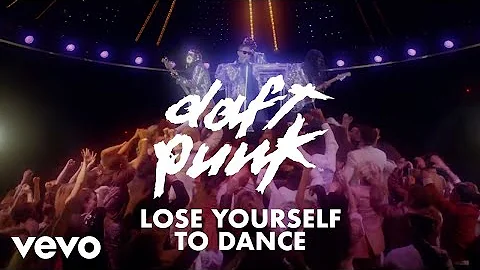
Nile Rodgers The album's second single — and its other addictive track featuring Pharrell Williams on vocals and Nile Rodgers on guitar — "Lose Yourself to Dance," now has a proper music video, and it's the group's first one since the Tron soundtrack back in 2010.
Is Daft Punk popular?
Daft Punk were a French electronic music duo formed in 1993 in Paris by Guy-Manuel de Homem-Christo and Thomas Bangalter. Widely regarded as one of the most influential acts in dance music history, they achieved popularity in the late 1990s as part of the French house movement.
What BPM is lose yourself to dance by Daft Punk?
100 BPM "Lose Yourself to Dance" is a disco and funk song in the key of B ♭ minor with a tempo of 100 BPM. Daft Punk expressed that the song was the result of a desire to create dance music with live drummers.
When did lose yourself to dance come out?
2013 Lose Yourself to Dance/Date de sortie
What genre is deadmau5?
Progressive house Electro houseElectronic musicDubstepAmbient music deadmau5/Genres
How many BPM is Get Lucky Daft Punk?
Get Lucky (feat. Pharrell Williams & Nile Rodgers) is a very happy song by Daft Punk with a tempo of 116 BPM. It can also be used half-time at 58 BPM or double-time at 232 BPM.
Did Daft Punk retire?
Following the release of the cryptic video titled “Epilogue” and the confirmation of Daft Punk's retirement by the group's publicist, Thrash — who had no part in the video or the retirement announcement — made his own statement through encrypted messages, stating that he is not leaving the music industry.
Why did Daft Punk wear helmets?
For the artists, the helmet became something of a statement about art. Daft Punk specifically wanted to avoid the idea of celebrityhood or stardom, hoping to place the focus squarely on their music rather than themselves. “We don't believe in the star system,” explained Thomas Bangaltar, per Far Out Magazine.
What happened Daft Punk 2021?
Daft Punk, the French duo whose sci-fi aesthetic and euphoric sense of pop transformed electronic music, have split up. They announced the split with a YouTube video featuring a clip from their film Electroma, featuring an intertitle with the dates 1993-2021.
What instruments does Daft Punk's Lose Yourself to dance feature?
- "Lose Yourself to Dance" features live drumming, as opposed to digital instruments. "Lose Yourself to Dance" is a disco and funk song in the key of B ♭ minor with a tempo of 100 BPM. Daft Punk expressed that the song was the result of a desire to create dance music with live drummers.
Who is the singer of Lose Yourself to dance?
- " Lose Yourself to Dance " is a song by French electronic music duo Daft Punk, featuring vocals from American singer Pharrell Williams. The song was written by Daft Punk, Williams, and American musician Nile Rodgers of the disco group Chic, for Daft Punk's fourth studio album Random Access Memories (2013).
What is the meaning of the song “dance with Daft Punk” by Pharrell?
- This is the 2nd song Daft Punk recorded featuring Pharrell off of Daft Punk’s masterful Random Access Memories. Dancing releases endorphins and reduces stress, in the lyrics Pharrell and Daft Punk tell this individual to take a break from the stress of life and shake the stress away and lose themselves in dance.
Where did lose yourself to dance go in the UK?
- Prior to this release, "Lose Yourself to Dance" charted in various countries, including France, Sweden, Switzerland and the United Kingdom. In the UK, it joined the playlists of BBC Radio 1, BBC Radio 2, and a number of commercial and smaller stations. It had reached number 49 in the UK Singles Chart.